


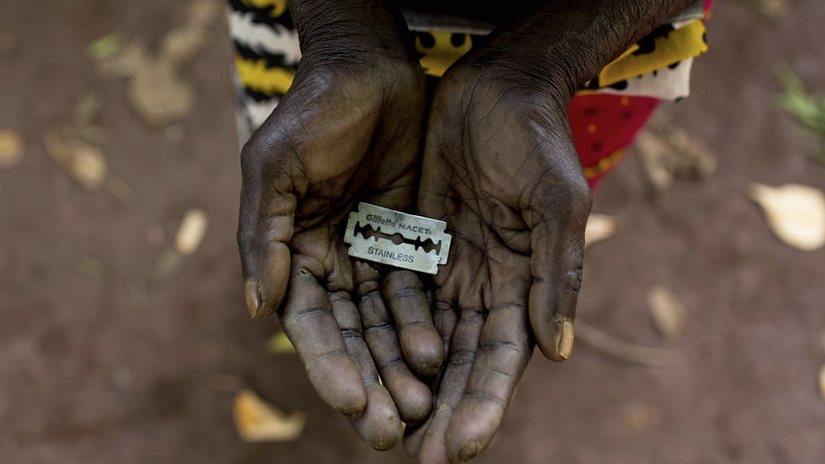
 T. Nashipae
Breaking the FGM taboo using sports




.jpg)



Reading Time: 5min | Mon. 06.02.23. | 15:00
Sports is an important tool in the fight against Female Genital Mutilation (FGM)
The International Day of Zero Tolerance for FGM (Female Genital Mutilation) this year offers a chance to draw attention to the distinctive ways that sport may be used to promote the rights, health, and well-being of women and girls.
Target 5.3 of Sustainable Development Goal 5 on Gender Equality particularly demands an end to this violation of human rights, which affects more than 200 million women and girls worldwide and puts an additional 3 million+ girls at danger each year.
One in five women and girls in Kenya, or about 4 million, have undergone FGM. This increases to as much as 94% in some areas. Even while these figures have decreased significantly in recent years, they are still far too high.
The practice of FGM has been defended by culture and religion. However, no culture or religion should be used to support harmful behaviors that violate the rights of millions of women to have a reproductive life and threaten their lives.
Sport may cross cultural boundaries, making it an effective medium for message dissemination. It can be used not just to question cultural norms but also to make room for alternative interpretations of harmful cultural behaviors.
But how does FGM affect sportswomen?
1. Lowers self-esteem of the victims
FGM is performed on women when they are still developing and should be engaging in vigorous physical activity; claims sports expert Dr. Byron Kipchumba. As a result, it is likely to have an impact on how well these women perform and to undermine the victims' self-esteem.
“This mutilation of that important part of a female is done at developmental ages where rigorous activity is supposed to be taking place. When you do that, you destroy the self-esteem of that girl.”
2. Affects performance of the ladies in sports
Additionally, according to Dr. Kipchumba, FGM may cause women to experience periods of pain, which can negatively impact the victims' performance in practice and competition.
“Sports are also torturous. There is tolerance of pain in sports. If a girl has undergone mutilation, anything which is demanded in sports may trigger that period of pain and therefore cannot perform well in terms of training and even in competitions.”
3. FGM causes social stigma
Women who have had mutilation are viewed as fully grown adults who belong in the home caring for it rather than partaking in "kid's activities" like sports. According to Dr. Kipchumba, mutilation signifies readiness for marriage and limits one's ability to participate in sports unless there are protocols in place to help the person return to sports.
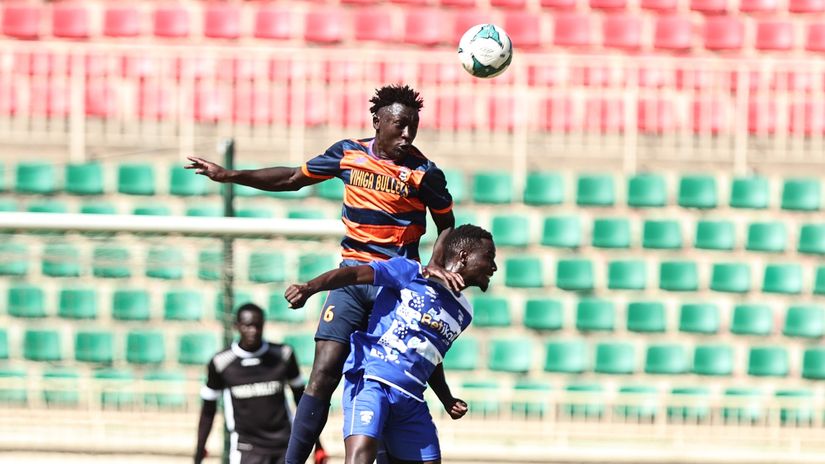
“Individuals who have undergone mutilation mean that the person is perceived as a woman who should not be engaging in kids’ activities. This means that as athletes are training, the society sees the victim as an adult who should not be participating in sports activities. That means that the athlete will drop out of sport participation completely, even when they are talented unless there are support systems that can bring them back.”
4. FGM can cause conflicts between the individuals and society
The majority of people, according to the sports expert, are coerced into performing this terrible deed. Conflicts arise between the victim and society as a result of the communities' expectations that the victims will represent them in sporting events, while the same communities force them to undergo the act.
“These individuals did not choose to undergo FGM but was forced by the society and the same society will want to promote sports. There is a contradiction there to say that their human rights were violated and the same society expects them to represent them in sports. At the end of the day the person will never perform or participate in school because of their societies.”
5. FGM victims risk dropping out of school
Due to social stigma and societal perception, FGM victims in some communities may choose to leave school. According to the expert, schools serve as the foundations upon which skills are cultivated. This essentially prevents victims from participating in active sports and limits their access to schooling.
“In some of the societies where FGM is practiced, victims might drop out of school and remember schools are the nurseries where talents are built and developed. So they will be limited to education access and as a result they will have no opportunity to engage in active sports.”
Now, this is where sports come in…
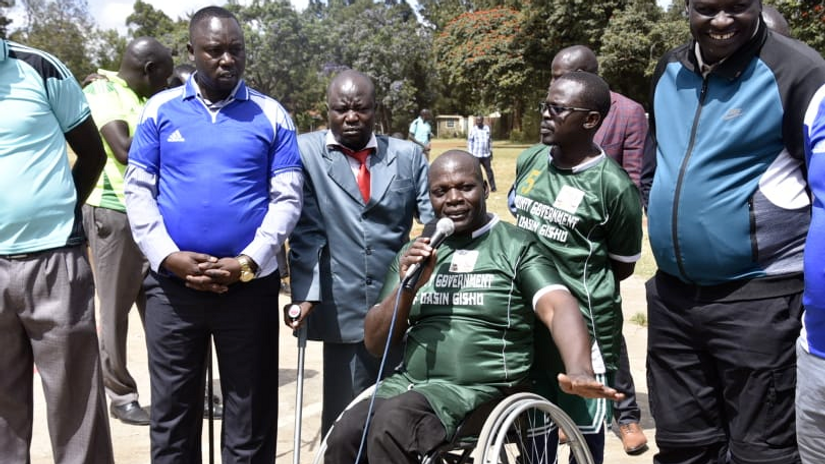
Dr. Kipchumba claims that the majority of these practices take place over the long weekends, particularly in December. Sports competitions should be held at that point.
Potential victims will be gathered by these tournaments, and their success will encourage schools, local authorities, and churches to track down the girls. The organizers should then make sure that the winners receive something in addition to their prize, such as school tuition, to encourage students to take part in similar activities and end the cruel conduct.
Additionally, because of the public attention these competitions receive, those who would do the atrocities would refrain from doing so.
“We can target sports specifically at a time when these activities are supposed to be taking place. If there is any situation like they were planning to organize these ceremonies of FGM, then the presence of the media covering this tournament will scare the perpetrators. These sports will also engage the community in terms of leadership so that the leaders are there and when we are discussing this challenge, it becomes a vocal point where nobody wants to be part of the activity at that time.”
However, there is another side to this coin. According to Dr Kipchumba, some individuals desire to be mutilated in order to be accepted as women in society. Sometimes it might not be the parents forcing them; instead, it might be the girls running away to get the act performed on them.
The writer, Tabby Nashipae, comes from the Maasai community which is deeply rooted in culture and traditions, and is looking forward to changing the narrative